

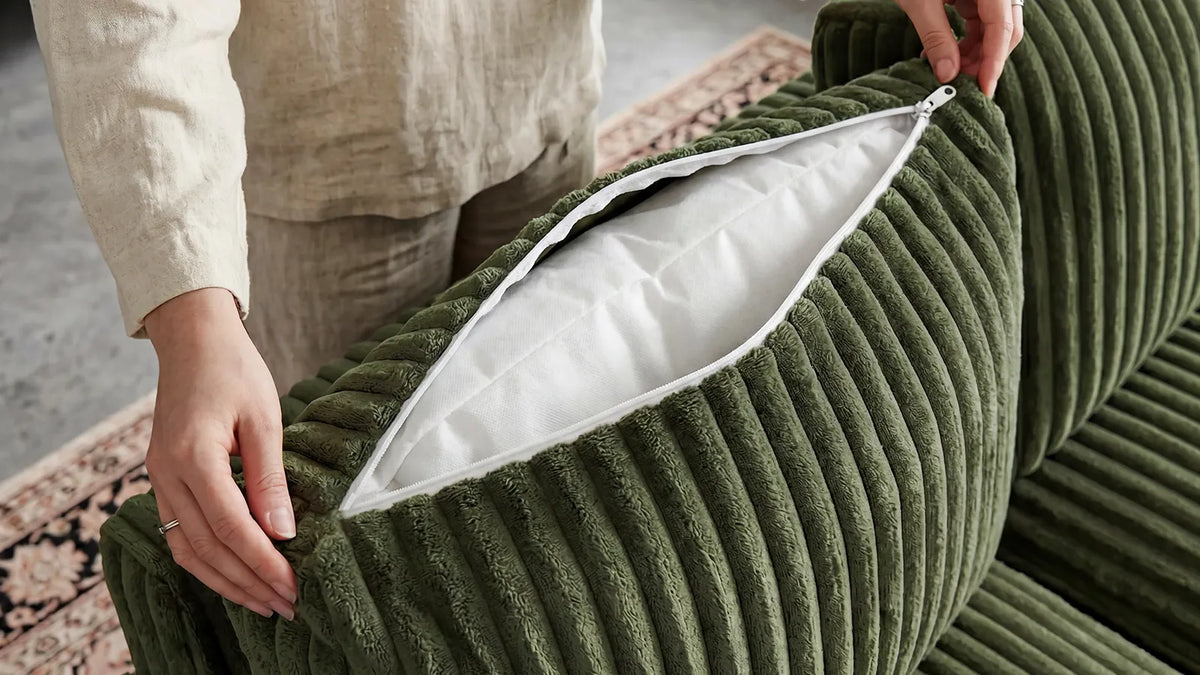
Washable sofa covers are usually worth it for households that deal with regular spills, pet hair, sticky hands, or frequent guests. They lower the stress of everyday messes and can postpone deep-cleaning bills, but only if the exact cover is truly machine-washable, fits back on easily, and is cared for as its label requires. For a low-mess home, the added cost may not earn its keep.
Who Actually Benefits Most From a Washable Cover
Washable covers pay off fastest when a sofa gets messy often enough that spot cleaning has become a recurring chore. The main washable sofa cover pros and cons are easy cleanup versus the work and wear of laundering. They are most useful for a household with an active source of mess, rather than for a room that is used lightly and kept food-free.

Homes With Kids
Parents of young children often get the clearest benefit because stains arrive without much warning. A washable couch cover for pets and kids can make a shared room easier to use. A removable surface lets you deal with a juice spill, washable-marker transfer, or snack residue without treating the entire upholstered piece as off limits until a cleaner can visit.
That does not make every stain simple. Address the spill quickly, remove excess material, and check the care label before washing. A washable cover gives you another recovery option. It does not make hot water, bleach, or a dryer safe for every fabric.
Homes With Pets
Pet households benefit when hair, paw dirt, and the occasional accident make routine cleaning part of the week. Pulling off a permitted cover can be easier than trying to vacuum deeply around every seam and cushion edge while keeping the insert dry.
Match expectations to the pet’s habits. A machine-washable slipcover durability advantage is mainly about cleanability, not immunity from claws, chewing, or snagging. A loose weave can still be damaged before it ever reaches the laundry room.
Busy Multiuse Rooms
A sofa that handles movie nights, homework, meals, and overnight visitors has more chances to collect soil than a formal sitting-room sofa. A washable cover can make that shared space feel usable instead of fragile, especially when a household needs to reset the room quickly between one activity and the next.
For a quieter home, compare that convenience with the extra purchase cost and laundry effort. A careful adult household that rarely eats on the sofa may get more value from a fabric with clear spot-cleaning instructions and an occasional professional service.

What You Save Compared to Reupholstering or Dry Cleaning
The real saving is often convenience first and money second. A cover you can wash according to its label may keep ordinary grime from becoming the kind of accumulated soil that pushes a household toward repeated professional cleaning or an early upholstery replacement.
| Option | Best Use | Tradeoff |
|---|---|---|
| Washable cover | Frequent, surface-level messes | Requires removal, laundering, drying, and refitting |
| Professional upholstery cleaning | Heavy soil, odor, or care-label limits | Adds scheduling and repeat service costs |
| Reupholstery | Major wear or a complete style change | Usually makes sense only after the existing upholstery has reached the end of its useful life |
Routine washing can reduce how often you need outside help for the removable surface. It cannot repair collapsed cushion fill, broken seams, a torn backing, or a stain that has reached the insert. Think of the cover as a replaceable, cleanable layer, not as insurance for every part of the sofa.
Laundry Costs and Household Time
Do the math in your own routine instead of assuming every washable option is cheaper. Large covers can take a full load, need a low-heat or air-dry cycle, and leave the sofa uncovered while they dry. If your home uses a laundromat or you have no space to lay covers flat, that time may matter more than the detergent cost.
The useful comparison is not one wash against one professional visit. Compare a year of likely messes with the care method you would otherwise use. For families that already run frequent laundry loads, adding covers may be easy. For others, a fitted washable throw may handle the highest-risk seat more efficiently.
Replacement Costs and Appearance
A cleanable cover can help the sofa look presentable longer when discoloration is limited to the fabric surface. That may delay a larger refresh, especially in a room where the upholstery receives the most visible wear.
Still, repeat washing can gradually affect color, texture, or fit. Ask whether replacement covers are available before you buy, and avoid assuming a future fabric batch will match perfectly. A cover system is more valuable when you can maintain or replace the part that takes the daily abuse.
Where Washable Covers Tend to Fail First
Zippers, seams, corners, and the backing usually show trouble before the broad center of a cushion does. These high-stress points are pulled during removal, compressed during sitting, and stretched again when the cover goes back on.

Zippers and Seams
Open zippers fully before removing a cover and do not force fabric around a cushion insert. A zipper can bend, a seam can split, and a tight corner can pull when the cover is twisted instead of eased off. Turn the cover inside out when the label permits it and close fasteners before washing so they do not catch other items.
Inspect stitching after the first few washes, particularly at front corners and near zipper ends. Early loose threads are easier to address than a seam that opens while the cover is under tension.
Fabric Backing and Shape
The fabric face may look sturdy while the backing, lining, or stabilizer has a lower tolerance for heat and agitation. That is why two covers that look similar can have different laundry instructions. The sewn-in label, rather than a broad product category, decides the safe water temperature, cycle, detergent, and drying method.
Shrinkage creates the most frustrating version of this problem. Even a small change can make a tailored cover hard to reinstall and may put extra strain on seams. Use cool or cold water and the cycle specified by the manufacturer, then reshape the cover while it is still slightly damp if its instructions allow that approach.
How Long a Washable Cover Realistically Holds Up
A washable cover can last for years, but its lifespan depends more on fabric construction, wash frequency, and heat exposure than on the word “washable.” A cover washed only after real messes will generally keep its color and fit longer than one laundered on a rigid weekly schedule without need.
Signs of Normal Aging
Gentle fading, slight softening, and a less crisp fit can be normal over time, especially on the seat that gets used most. These changes do not automatically mean the cover has failed. Vacuuming first, treating small spots promptly, and washing only when needed can reduce unnecessary abrasion.
Rotate reversible cushions if the sofa instructions permit it. Spreading the daily pressure keeps one location from looking much older than the rest, while a cover is still easy enough to remove and refit.
Signs You Need a New Plan
Repeated zipper problems, seams that reopen after repair, stubborn odor after correct cleaning, or a cover that no longer fits without force are signs to pause the laundry routine. Continuing to stretch a compromised cover can damage the insert or make the next repair harder.
At that point, check whether a replacement cover is available or ask a qualified upholstery professional about the specific fabric. Do not improvise with very high heat or harsh chemicals to solve a fit or odor problem, because the result can be permanent shrinkage or color loss.
Whether the Extra Cost Pays Off for Your Household
The extra cost is worth paying when it prevents a recurring inconvenience your household already has. A washable cover is a strong practical feature for families, pet owners, and frequent hosts who will use the cleaning option. It is less compelling when the sofa stays clean with light vacuuming and occasional careful spot care.
Use this short test before deciding:
- Choose a washable cover when you expect regular spills, visible pet hair, or frequent food-and-drink use on the sofa.
- Treat the care label as essential. Confirm that the exact seat, back, and cushion covers you need can be removed and machine washed.
- Check whether the cover can air dry or use low heat within the time your household can live without the sofa.
- Look closely at zippers, seams, and the replacement-cover policy before paying more for the feature.
- Skip the premium if you would rarely wash the cover or cannot realistically follow its drying requirements.
The best choice is the one you will actually maintain. A washable option has real value when it fits your laundry setup, your tolerance for refitting covers, and the mess level of your daily life.

Compare Care Details Before You Buy
Prioritize the care instructions over the label alone. Before you choose a sofa, confirm which covers come off, what the care tag allows, and how the fabric should dry. Our corduroy sofa care article offers additional fabric-care checks, and our modular seating options can help you compare a layout with the upkeep your home needs.
FAQs on Washable Sofa Covers
Q1: Are washable sofa covers worth the extra cost?
Yes, when your household regularly faces spills, pet hair, or food on the sofa. The feature can make everyday cleanup easier and may reduce reliance on professional cleaning. It is less valuable in a lightly used room or when you cannot follow the cover’s washing and drying instructions.
Q2: What’s the most common problem with washable sofa covers?
The most common problem is poor fit after washing, often from heat, over-drying, or ignoring the care tag. Zippers and seams can also fail when a cover is forced off or back onto a cushion. Wash only as instructed and reinstall without stretching the fabric.
Q3: Is a washable cover better than professional upholstery cleaning?
Neither option replaces the other. A washable cover is better for routine surface messes when the label permits laundering, while professional cleaning can be safer for heavy soil, odor, or fabric that cannot be machine washed. The care code should decide which method comes first.
Q4: Can washable covers be put back on while damp?
Sometimes, but only when the manufacturer permits it. A slightly damp cover may be easier to shape around a cushion, while a wet one can trap moisture in the insert and encourage odor. Follow the exact drying and refitting instructions for the cover.
Q5: Do washable sofa covers make sense for a rental home?
Often, yes. Renters may appreciate a sofa surface that can be cleaned after a spill, a pet visit, or a move. Confirm that the cover is genuinely washable and that it can be removed and reinstalled without special tools before treating it as a low-maintenance solution.

Leave a comment
This site is protected by hCaptcha and the hCaptcha Privacy Policy and Terms of Service apply.